Tips & Guides
How to Level a Lawn in Sydney (Without Digging the Whole Thing Up)
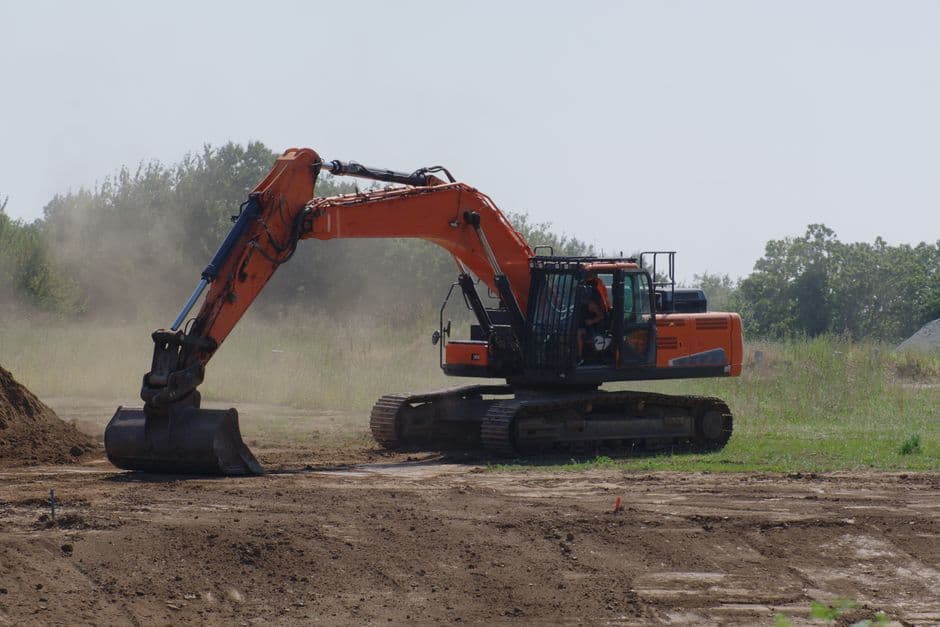
Every bumpy lawn has a tell. The mower scalps the same hump every time, there's a puddle that turns up after rain like it pays rent, and someone in the family has rolled an ankle on the dip by the clothesline. If that sounds familiar, the good news is that learning how to level a lawn is mostly about patience and a few bags of the right mix, not a weekend with an excavator.
Here's how we approach it across the Hills, where most lawns are buffalo, couch or kikuyu sitting on heavy clay.
How do you level a lawn?
You level a lawn by spreading thin layers of a sandy topdressing mix into the low spots, working it down into the grass, and letting the lawn grow up through it. Repeat every few weeks until the dip is gone. For deeper hollows, you lift the turf, fill underneath with soil, and lay the turf back down.
That's the whole method. The trick is in the details: what you spread, how thick, and when.
When is the best time to level a lawn in Sydney?
Spring into early summer is the best time to level a lawn in Sydney, once the grass is actively growing again. Buffalo, couch and kikuyu are all warm-season grasses. They sit fairly still through winter, then wake up properly as the soil warms from around September onwards.
Topdressing only works if the grass can grow up through it. Spread it over a dormant winter lawn and you're just burying it, and buried grass yellows off. Spread it in October or November and a healthy lawn will push through a thin layer within a week or two. (We cover this timing in more detail in our Sydney lawn care guide.)
Avoid levelling straight after heavy rain. Wet Hills clay smears and compacts, and you'll be pressing your footprints into the very lawn you're trying to flatten.
What should you use to level a lawn?
Use a washed sand or a sandy topdressing mix rather than plain garden soil. Most landscape suppliers sell a ready made lawn topdressing, usually washed sand blended with some soil and fine organic matter. It spreads evenly, drains well and doesn't set hard like clay does.
 A person's foot on a shovel digging into garden soil, illustrating gardening work.
A few things to avoid:
- Straight clay or fill. It crusts over, sheds water and makes the drainage problem worse.
- Potting mix or mulch. Too light and too rich. It shrinks back as it breaks down and the dip returns.
- A lawn roller as your main fix. Rolling squashes the high spots down a little, but it also compacts clay soil, which is the last thing a Hills lawn needs. It flattens the symptom and worsens the cause.
You'll also want a wheelbarrow, a shovel, a rake, and ideally a levelling rake (the wide flat one) or the back of a regular rake. A long straight board or a string line helps you see how deep the dips really are.
How do you fix shallow dips in a lawn?
Fill shallow dips, roughly two to three centimetres or less, by topdressing in thin layers. Here's the routine:
- Mow the area first so you can see the surface properly.
- Tip a little topdressing into the low spot.
- Spread it with the back of a rake or a levelling rake, then work it down into the grass with a broom.
- Leave the tips of the grass showing. This is the rule that matters. If you can't see green, you've put too much on.
- Water it in lightly.
Once the grass grows through, do it again. Two or three rounds a few weeks apart will fix most shallow dips. It feels slow, but slow is what keeps the lawn alive underneath.
How do you fix deep holes and hollows?
For anything deeper than a few centimetres, lift the turf rather than piling dressing on top. Thick topdressing smothers the grass and you'll end up with a bare patch where your dip used to be.
- Use a flat spade to cut around the low spot and peel the turf back, keeping as much root and soil attached as you can.
- Fill underneath with a sandy soil mix and firm it down with your foot so it doesn't sink later.
- Lay the turf back down, check the level with your board, and adjust.
- Water it well and keep off it while it knits back in.
Buffalo and kikuyu both recover well from this in the growing season. Couch does too, and it spreads so quickly that small gaps fill themselves. Not sure which one you've got? Our guide to telling buffalo, couch and kikuyu apart will sort that out in about a minute.
Is it a levelling problem or a drainage problem?
If the same low spot holds water after every downpour, it might be a drainage or settling problem, not just a dip. Topdressing will lift the surface, but it won't stop water collecting if the ground underneath is the issue.
 A skid loader working on maintaining a baseball field under construction.
Common culprits around the Hills:
- Settling trenches. Old plumbing, irrigation or cable runs often sink months or years after the trench was backfilled. These tend to show up as long, straight dips.
- Compacted clay. Paths worn by kids, dogs and the walk to the bins compact the soil until water can't get in.
- Rotting organic matter. Old tree roots or buried stumps break down and leave a hollow above them.
- Water coming from somewhere else. A downpipe or a neighbour's slope sending runoff your way.
If a patch stays soggy for days after rain, it's worth getting someone to look at the drainage before you pour sand into it. Fixing the level and ignoring the water just means you'll be levelling it again next year.
How long does it take to level a lawn?
A simple topdress takes an afternoon, but the whole job usually runs over a few weeks because each layer needs time for the grass to grow through. Lifted and refilled patches need a couple of weeks of regular watering to knit in. Plan to start in spring and you'll have a flat lawn well before the backyard cricket season gets serious.
Keeping it level once it's fixed
Most lawns get bumpy for boring reasons: worn paths, scalping, and thin patches that weeds move into. A regular mow at the right height, a feed in spring, and fixing small dips while they're small keeps the whole lawn honest.
If you'd rather someone else kept an eye on it, that's what we do. Have a look at our lawn mowing service across the Hills District or lawn mowing in Castle Hill, or get in touch and Don will come and have an honest look at your uneven lawn. No pressure, no lock-in, just a straight answer about whether it needs a topdress or something more.
For more background on turf varieties and levelling before new turf goes down, Grech's Turf and Lawn Solutions Australia both have good reading.
Get an honest quote for your place
A free quote, no obligation, and the price we give is the price you pay.