Tips & Guides
How to Get Your Lawn Ready for Spring in the Hills District
The best time to get your lawn ready for spring is while it still looks like winter. Everyone has the same instinct in September: the grass suddenly takes off, the place looks scruffy, and out comes the mower on the lowest setting. That's about a month too late and a notch too low. Here's the order we actually work in across the Hills District, and why it matters.
When should I start?
Late July through August, right now in other words. Warm season grass is still in dormancy, which is exactly why this is the window for the disruptive jobs. Weeds are small and easy to pull, the ground is soft from winter rain, and anything you fix now has six weeks to settle before growth kicks in. Do the same jobs in October and you're fighting the lawn instead of helping it.
What's the first thing to do?
Tidy up and look properly. Clear the sticks, leaves and the bits of the garden that blew in over winter, then walk the whole lawn slowly. You're looking for three things: patchy lawn where nothing came back, compacted soil that's gone hard underfoot along the paths and the kids' shortcut, and the thatch layer, that spongy mat of old stems just above the soil. Those three tell you what the next month looks like.
While you're at it, get the mower serviced and sharpen the blades. A blunt blade tears the leaf rather than cutting it, and the browned tips it leaves behind are the reason plenty of lawns look tired in spring for no obvious reason.
Which weeds should I get now?
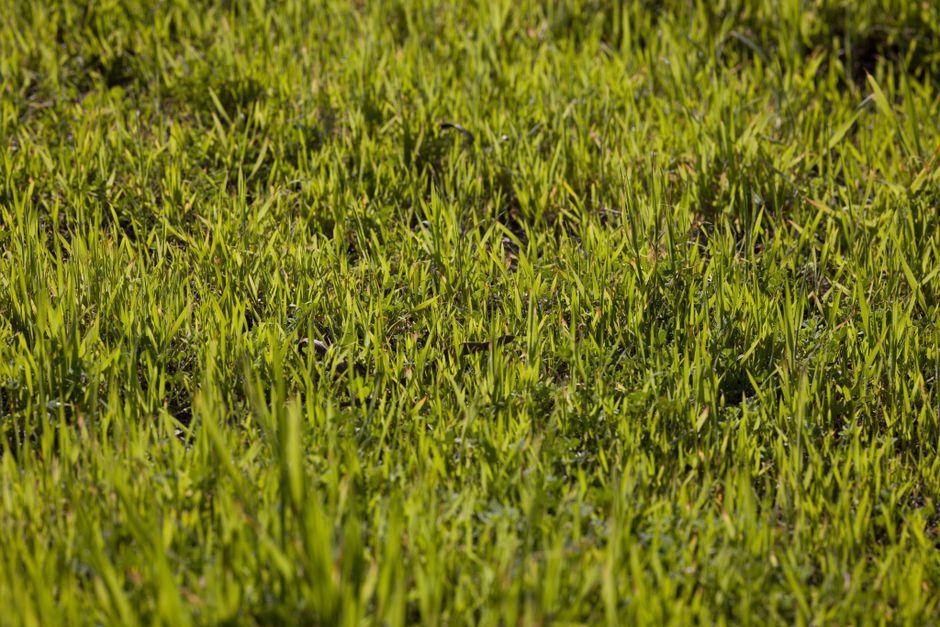
 Bright green grass illuminated by sunlight, capturing a serene outdoor atmosphere.
Bindii, clover, capeweed and winter grass, and now is the moment. Bindii especially. It's soft and green in August and it's a prickle in your kids' feet by November, and once it's seeded you've lost that round. Hand pulling is genuinely enough if you catch them young, which is the whole argument for doing this in winter rather than spring.
If you go the weed and feed route, read the label against your grass type. Buffalo is fussier than couch about what you put on it, and a product that's fine on one will thin the other.
When do I feed and mow?
Feed once the soil has warmed and you can see the lawn moving again, usually early September in the Hills rather than the first warm weekend in August. A slow release, nitrogen rich lawn food is the standard choice. Feeding a dormant lawn mostly feeds the weeds. The team at Yates has a good rundown on spring feeding if you want the product detail.
On mowing height, resist the urge to scalp. Take warm season grass, buffalo, couch, kikuyu and zoysia, back to around 40mm and get there over two or three mows a week apart, never more than a third of the leaf in one pass. The one third rule is the single most useful thing in lawn care. Scalping a dormant lawn to "neaten it up" strips the leaf that's meant to be photosynthesising it back to life, and the bare patches you create are where the weeds move in.
Do I need to aerate and topdress?
 Closeup of fresh green grass growing on meadow in sunny summer day
Only if the lawn tells you to, and if it does, late spring rather than now. Aeration is for compacted soil, and the Hills sits on heavy clay, so plenty of lawns here genuinely qualify. A garden fork at 10cm to 15cm spacings does the job on a small lawn. Topdressing with a compost and soil blend goes on after aerating and is how you level the dips and revive dead patches, but it needs actively growing grass to grow up through it. Do it in August and you'll just smother a dormant lawn.
Same timing logic for oversowing a thin lawn: wait until the soil is warm, then keep it damp while it strikes.
What about watering, and the clay?
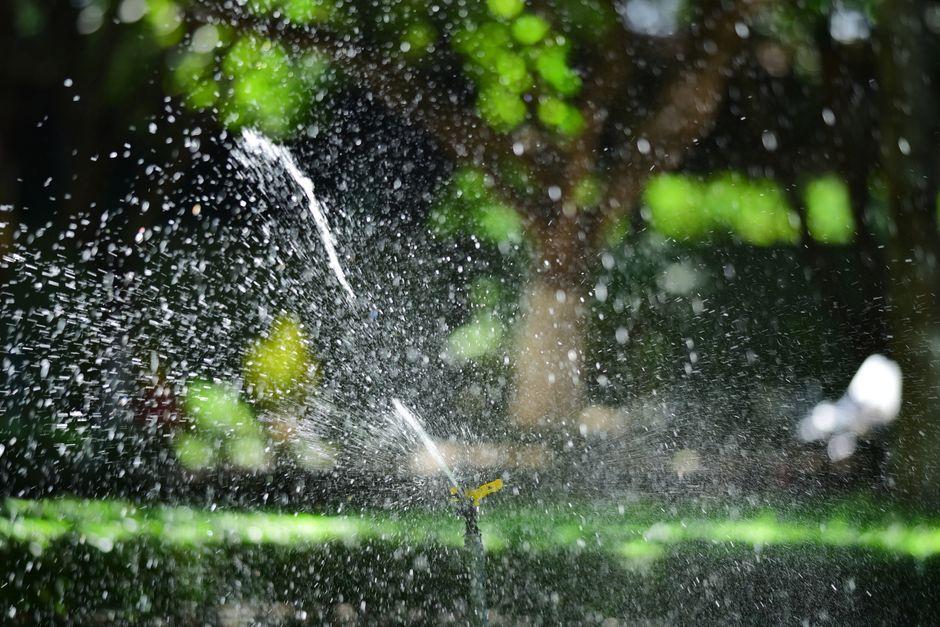
Deep and less often, always. Clay holds moisture beautifully right up until it bakes hard, so two or three thorough soaks a week beat a daily splash, which only ever wets the top centimetre and trains roots to stay shallow. Keep half an eye on the Bureau of Meteorology forecast so you're not watering the day before 30mm arrives, and check your current restrictions before you set a sprinkler.
One more clay job while the ground is soft: if water pools somewhere every winter, that spot will be your problem patch every summer too. Fix the level with a topdress in November rather than fighting it every year.
The order, in short
Tidy and inspect, sharpen the blades, pull the winter weeds while they're small, then feed when the soil warms, then mow down gradually to around 40mm, and only then aerate and topdress if the lawn needs it. Everything in that sequence is a small job. Skip the first half and September turns into one big one.
If you'd rather it just happened without you thinking about it, that's what we do. Our lawn mowing service covers the mow, the edge and the tidy up on a schedule that follows the season rather than a fixed calendar, whether you're in Kellyville or elsewhere across the Hills. There's more on how often to mow through the year, and if you'd like a hand getting on top of it before spring, just ask for a quote and we'll get it sorted.
Get an honest quote for your place
A free quote, no obligation, and the price we give is the price you pay.